AUO vs Innolux vs Tianma LCD Displays: Industrial Buyer's Guide
Compare AUO, Innolux and Tianma industrial LCD panels by specification, lifecycle, interface, brightness and application Learn how buyers should select and qualify a model
C403, No. 8 Xiyuan 9th Road, Xihu District, Hangzhou City, Zhejiang Province market@idtdisplay.com
Call Us :+86-18969088997

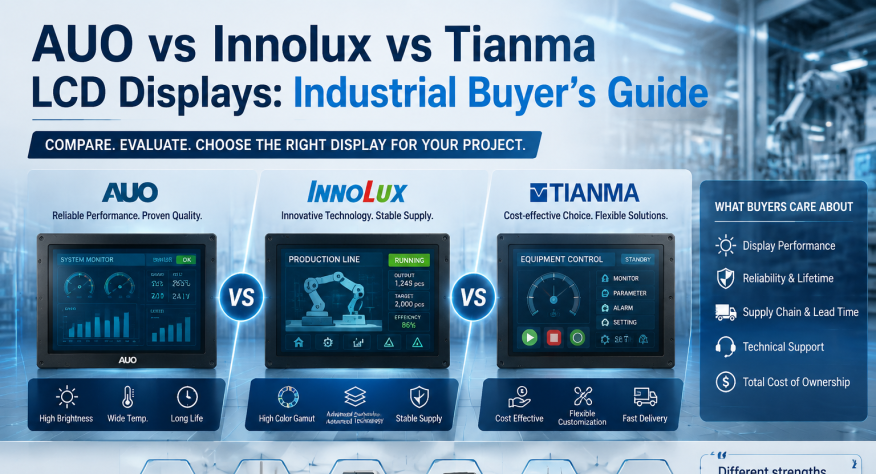
Compare AUO, Innolux and Tianma industrial LCD panels by specification, lifecycle, interface, brightness and application Learn how buyers should select and qualify a model
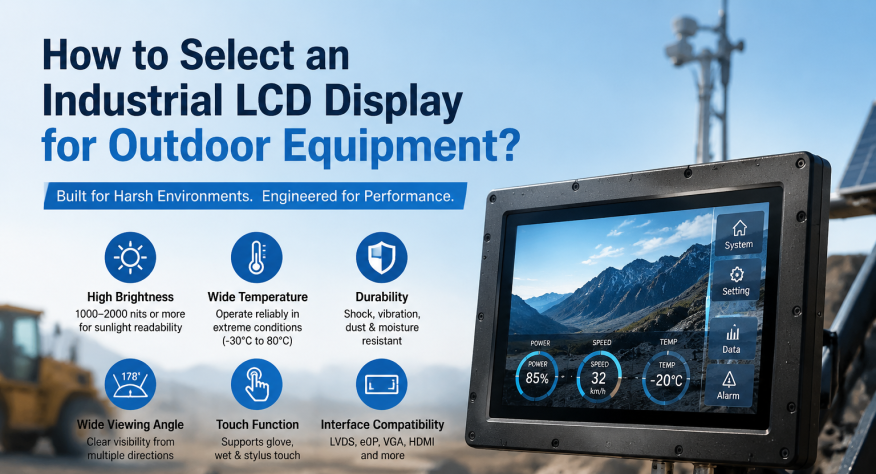
Learn how to select an outdoor industrial LCD by brightness, optical bonding, temperature, interface, durability and lifecycle Includes an engineering checklist and FAQ

A practical guide to industrial LCD lifecycle planning, EOL monitoring, replacement qualification, inventory strategy and long-term supply continuity
Compare LVDS and eDP interfaces for industrial LCD projects, including signal architecture, cabling, compatibility, EMI and replacement risk
An engineering checklist for evaluating an industrial LCD replacement by mechanics, optics, interface, timing, temperature, touch and lifecycle
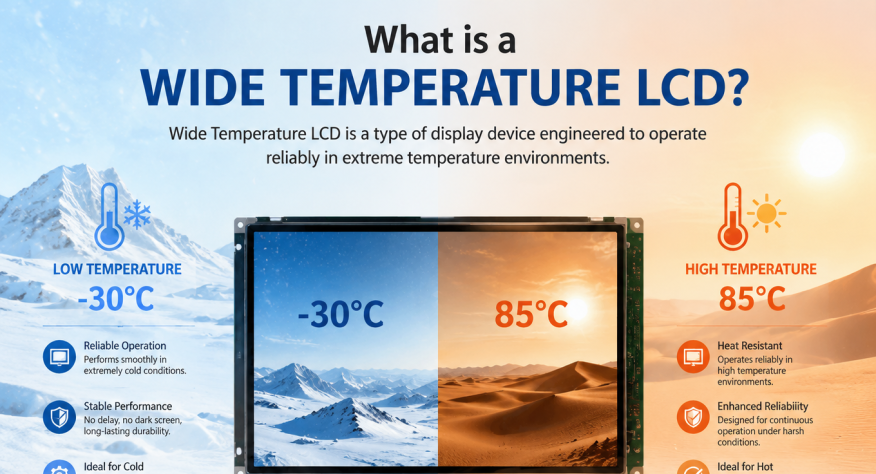
A wide temperature LCD is a display module engineered to function reliably far beyond the limits of standard commercial screens While your office monitor is comfortable between 0°C and 50°C, wide temperature displays are built to endure the freezing
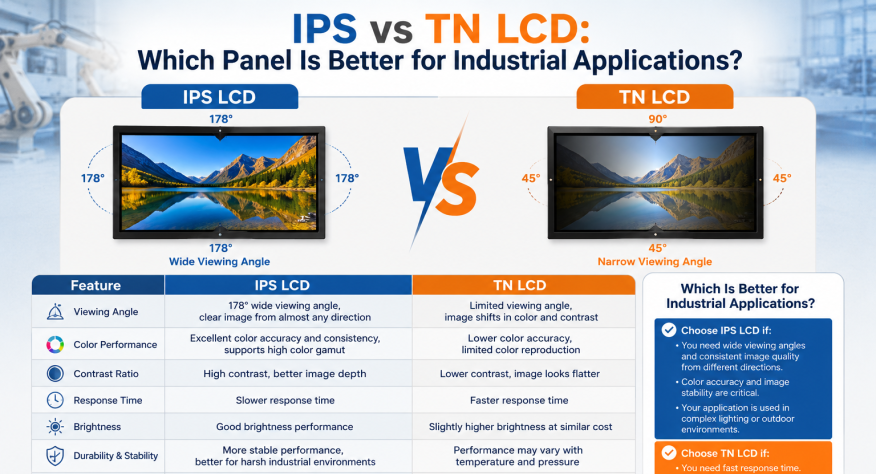
TN panels remain the cost-effective choice for basic industrial display scenarios relying on mature technology and low power consumption IPS panels have become the mainstream of mid-to-high-end industrial displays by virtue of their wide viewing angle, h
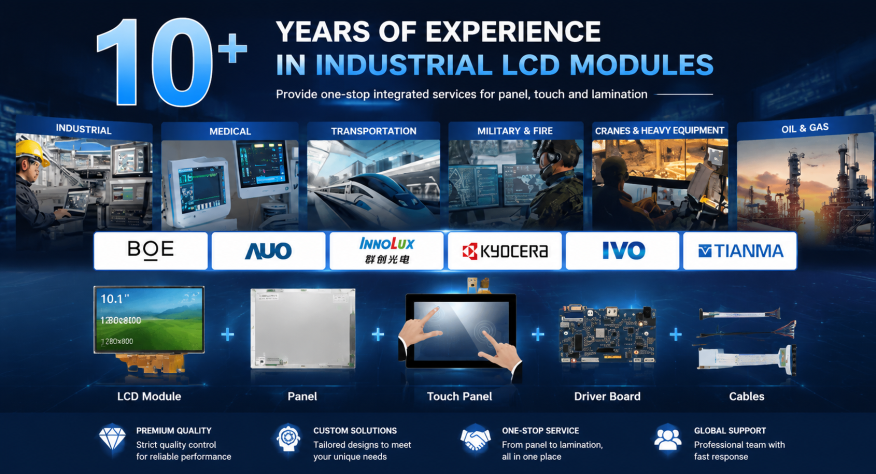
Selecting a qualified industrial LCD display is a systematic decision-making process that integrates scenario analysis, parameter matching, environmental adaptability verification, and after-sales evaluation
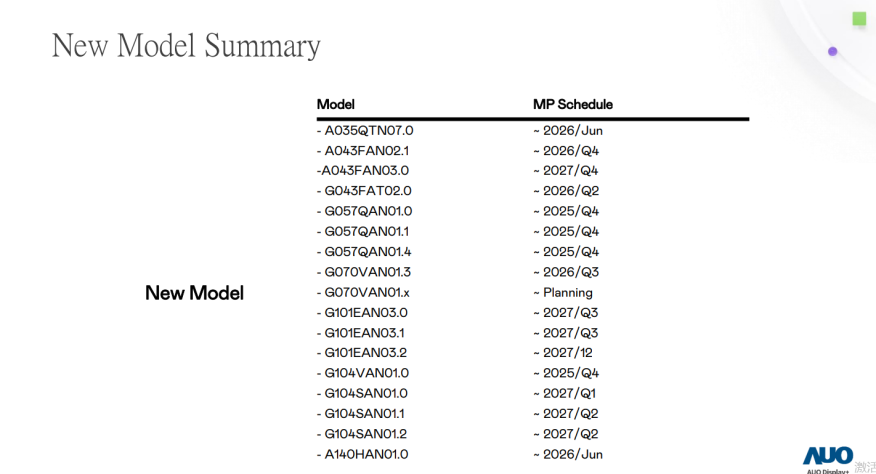
AUO Display Plus announced a large number of new LCD modules that will soon be mass-produced (MP) from mid-2026 to the end of 2027, with sizes ranging from 3 5 inches to 27 inches The technology roadmap is mainly based on AHVA, and upgrades will be imple
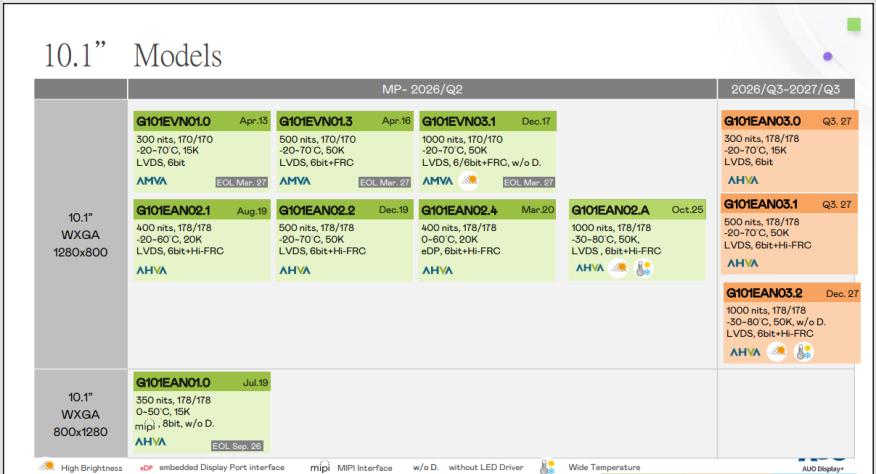
10 1 inches and 15 6 inches are the two most core industrial display sizes These two sizes combine moderate physical size, rich resolution, and a wide range of application scenarios, and dominate fields such as human-machine interface (HMI),
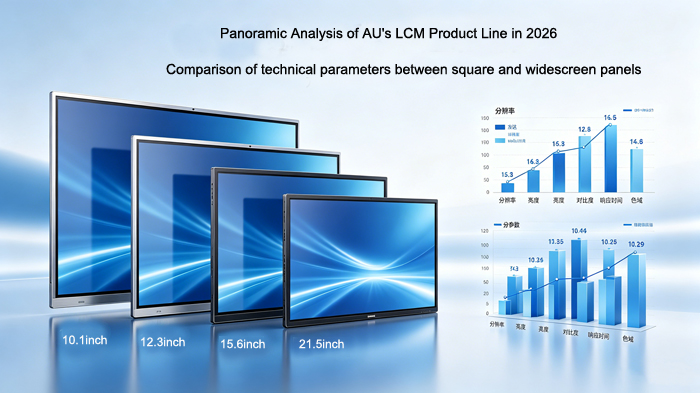
In the product roadmap released in the second quarter of 2026, AUO Display Plus systematically showcased its two major LCM (liquid crystal display module) product lines, Square and Wide
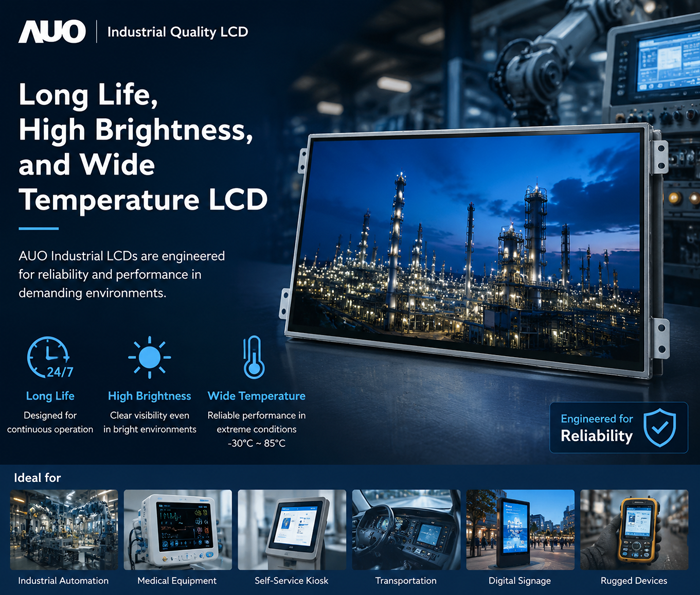
AU Optronics regards "industrial grade quality " as its core competitiveness and supports this position through four pillars: longevity, high brightness, wide temperature liquid crystal, and reliability testing
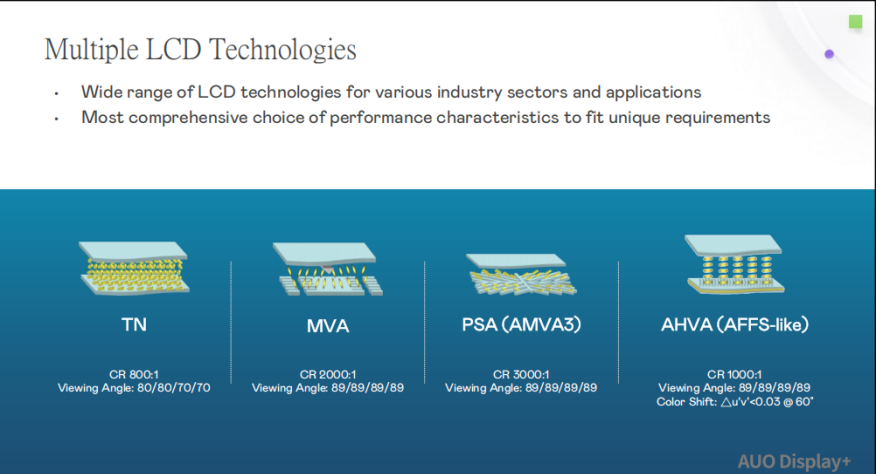
As a leading global supplier of TFT-LCD modules, AU Optronics,AU currently promotes four core LCD technologies: TN, MVA, PSA (AMVA3), and AHVA
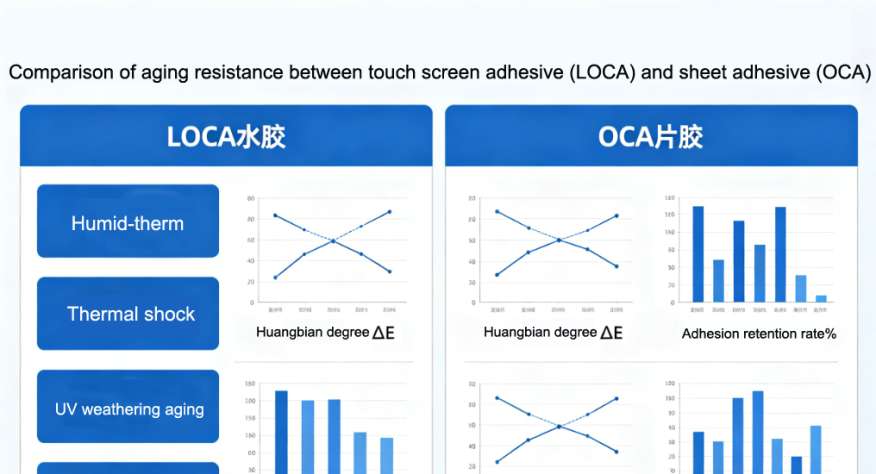
Vehicle mounted outdoor wide temperature equipment (damp and sun exposed) → LOCA water-based adhesive, aging resistant roller OCA; Indoor room temperature small-sized consumer terminals (mobile phones tablets) → OCA sheet adhesive, meeting room temper
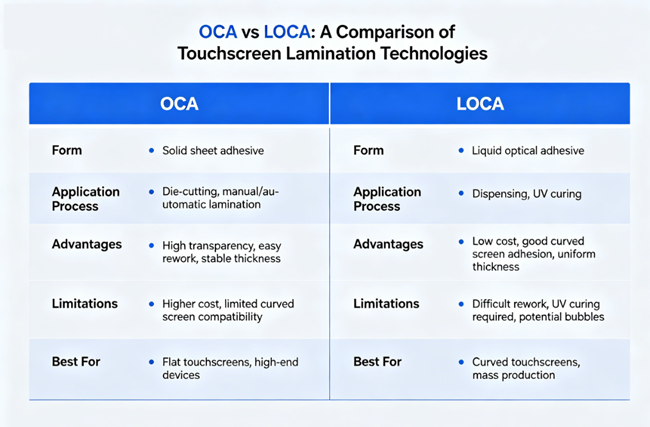
Film adhesive=Solid state optical double-sided adhesive OCA; Water glue=liquid UV optical glue LOCA OCR The core differences in the selection of industrial screens, industrial control vehicle outdoor screens are as follows:
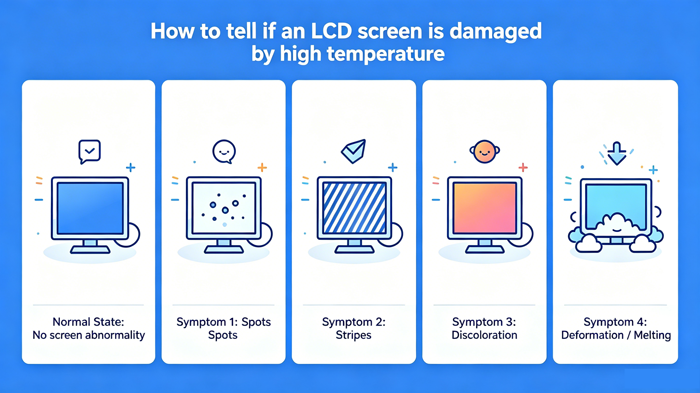
The screen displays clearly, with uniform color, no spots, no stripes, and no display distortion High Temperature Damage Symptoms 1 Screen Spots & Blotches 2 Abnormal Stripes & Flickering 3 Screen Discoloration & Color Cast
AUO officially announced the discontinuation of the 7-inch industrial TFT LCD module G070VW01 V002 To ensure long-term supply continuity and system stability for industrial equipment manufacturers, the upgraded replacement model G070VW01 V012 is now
AUO officially announced the discontinuation of the 7-inch industrial TFT LCD module G070VW01 V002 To ensure long-term supply continuity and system stability for industrial equipment manufacturers, the upgraded replacement model G070VW01 V012 is now
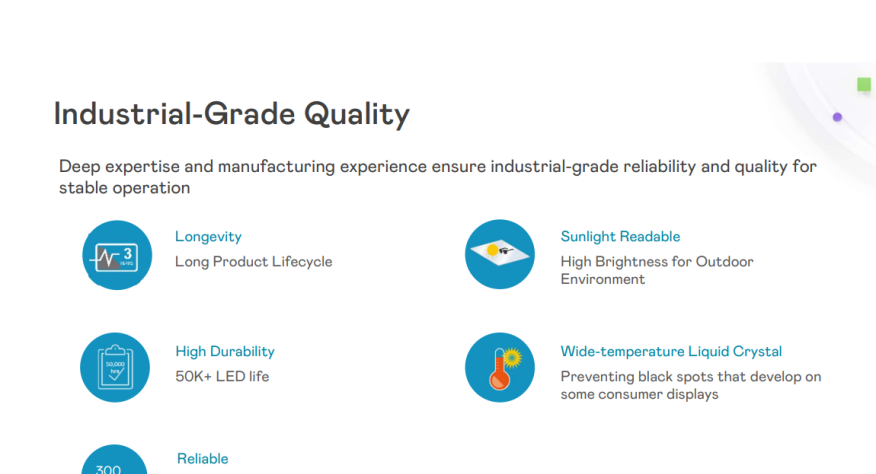
A truly reliable industrial grade TFT-LCD must maintain excellent performance under complex conditions such as temperature, humidity, lighting, vibration, and prolonged operation
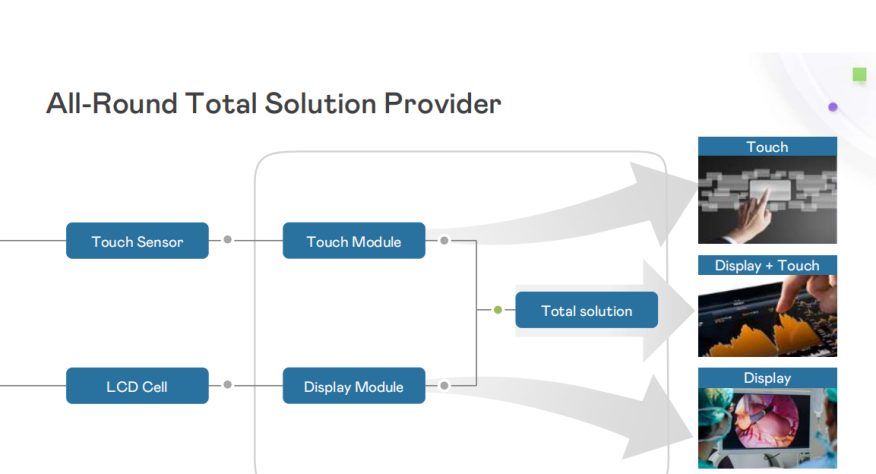
Full-dimensional integration: one-stop display and touch solutionIn today& 39;s increasingly complex display industry,
Hangzhou IDT DISPLAY TECHNOLOGY CO.,LTD is the main agent of Youda AUO LCD screen, CHIMEI LCD screen, Mitsubishi LCD screen, INNOLUX LCD screen, Tianma LCD screen, touch LCD screen and other small ...
Read More