What factors affect the price of a 3.5-inch LCD screen?

The price of a 3 5-inch LCD screen is primarily determined by three factors: the specifications of the screen itself, procurement and supply factors, and the overall market environment
The price of a 3.5-inch LCD screen is primarily determined by three factors: the specifications of the screen itself, procurement and supply factors, and the overall market environment. as follows:
Category of influencing factors | Specific factors | Impact Statement |
The specifications and quality of the screen itself | Resolution and display technology | The higher the resolution and the newer the technology (such as IPS), the higher the price |
Brightness and backlight | High-brightness and long-life LED backlighting will increase costs | |
Touch screen function | Adding capacitive or resistive touch functionality will significantly increase the price | |
Special quality and reliability | The price of industrial-grade products (such as wide temperature range, long lifespan, shockproof) is much higher than that of consumer-grade products | |
Basic materials and processes | The grades of raw materials such as glass panels, ICs, and polarizers directly affect the cost | |
Procurement and supply factors | Order purchase quantity | The larger the purchase quantity, the lower the unit price |
Is it a standard product | The price of standard products (market common models) is much lower than that of customized products with special dimensions/interfaces | |
Supply chain and brand | Well-known brands and mature suppliers have good quality control and comprehensive after-sales services, but their prices are usually higher | |
External market environment | Market supply and demand and production capacity | When the entire industry faces tight production capacity or robust demand, panel prices generally rise |
Price cycle of the panel industry | The price of liquid crystal panels experiences cyclical fluctuations, which can affect the cost base of all downstream products |
Considering the service life you previously mentioned, industrial-grade screens with high reliability requirements (lifespan of over 50,000 hours) are significantly more expensive than ordinary consumer-grade products due to stricter material usage and testing standards.
Inquiry and selection advice
When inquiring or comparing prices, clarifying the following points can help you obtain more accurate quotes and proposals:
Clearly define the requirements: specify the type of your product (industrial control, consumer electronics, etc.), the core specifications that must be met (such as resolution, brightness, interface, operating temperature), and whether touch functionality is required.
Distinguish between "need" and "want": Prioritize meeting rigid needs and avoid excessively pursuing high-end parameters that drive up costs. For example, in outdoor use with strong light, high brightness is a "need"; in indoor use, pursuing extremely high brightness may only be a "want".
Communicate procurement planning: Inform suppliers of recent procurement volumes and long-term demand, which is conducive to obtaining more favorable tiered pricing.
Consider standard products: At the initial stage of a project or when budget is limited, giving priority to the commonly used standard product models in the market can significantly reduce costs and shorten delivery time.
I hope this information can assist you in better budgeting and decision-making. If you could share the specific scenarios in which you plan to use the screen (for example, whether it will be used in industrial equipment, smart home systems, or other products), I can provide you with a more targeted analysis.
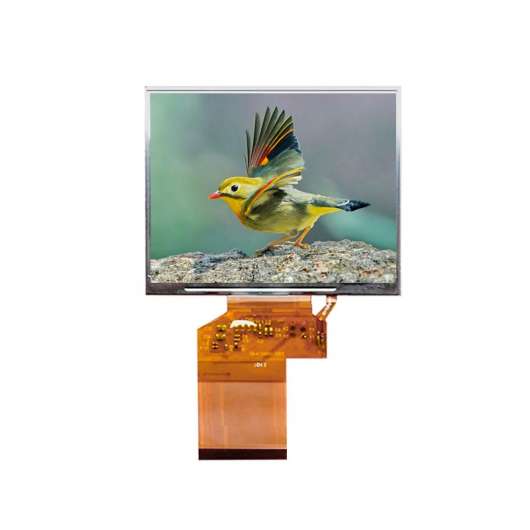
3.5-inch LCD screen:https://www.idtdisplay.com/products/innolux-lcd/3-5inch/